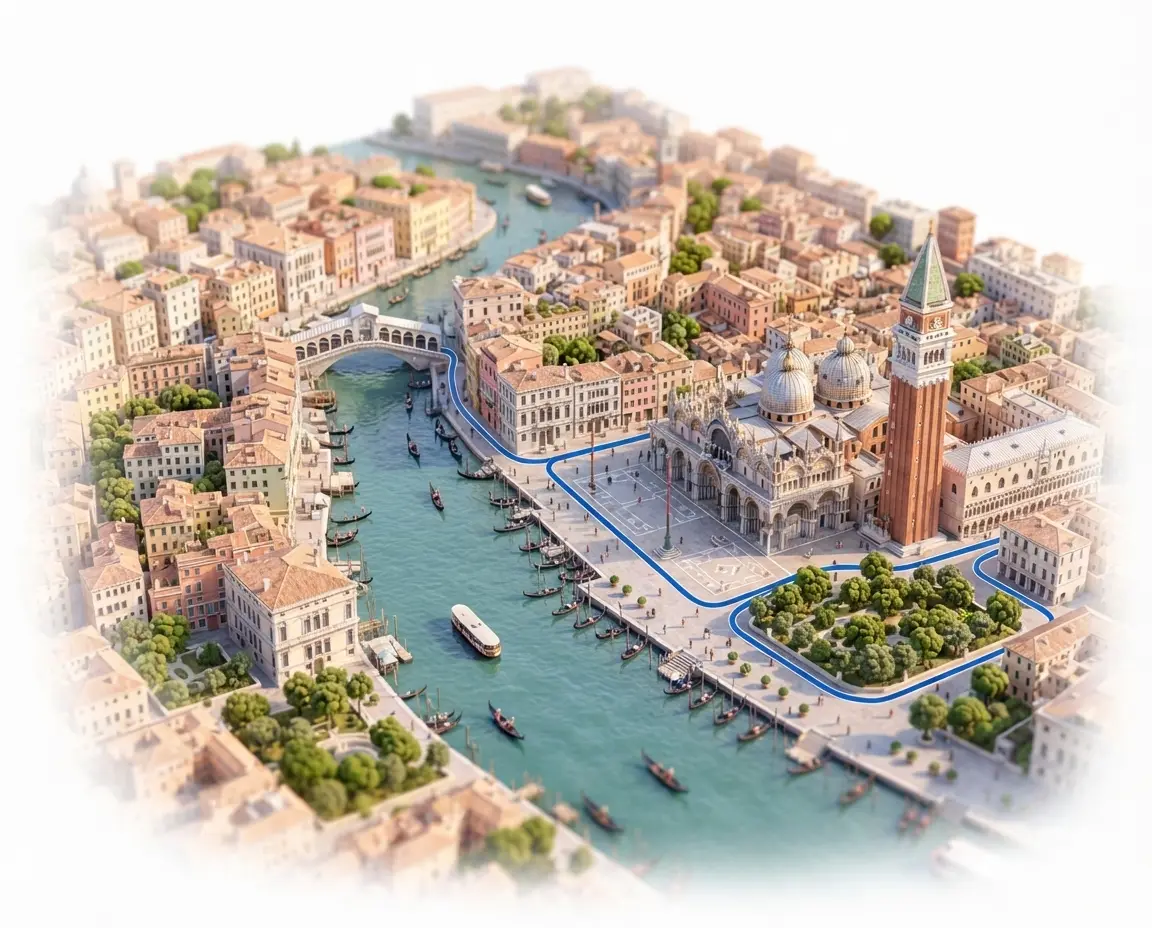
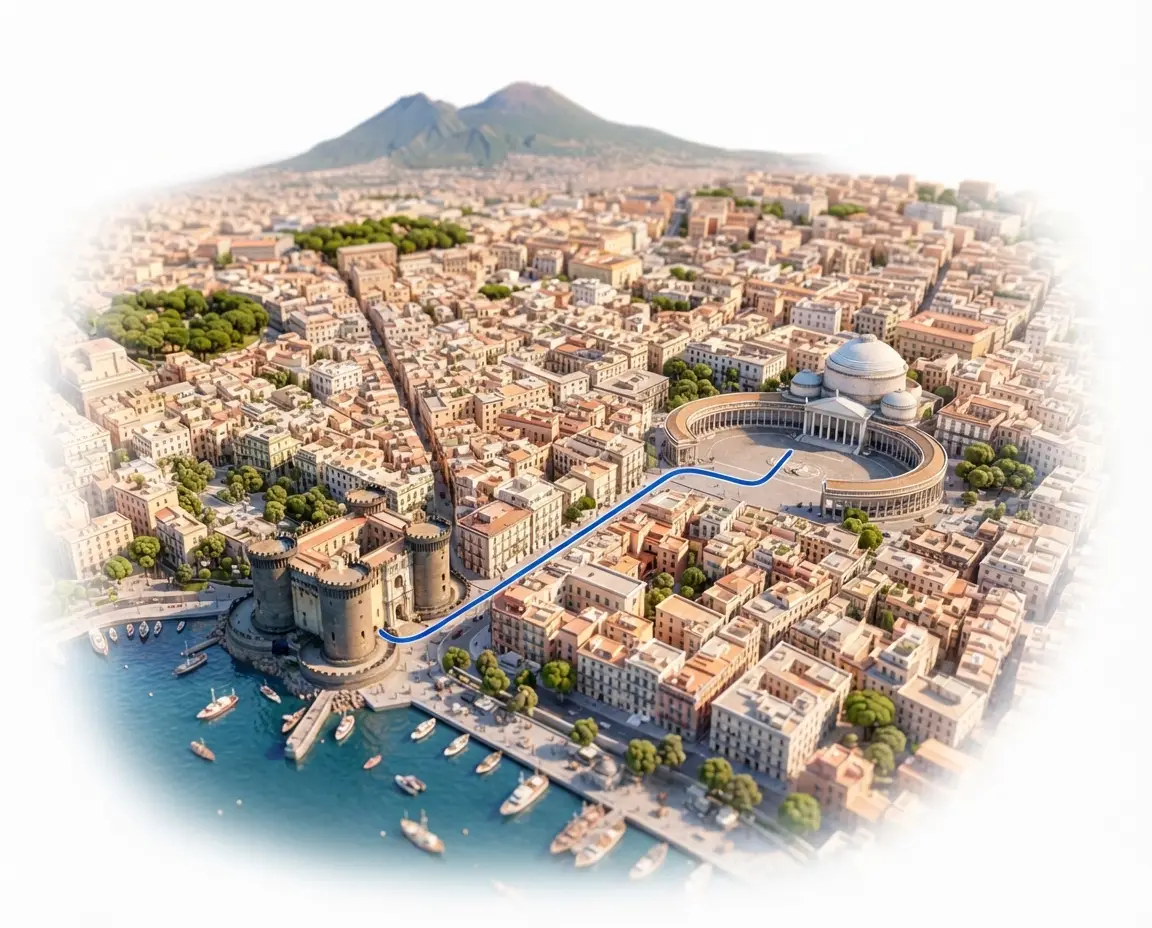
Open when you get there
Tell us the day you arrive. A museum that closes on Mondays moves to another day.
A few days. A whole city.
City itineraries built from checked opening hours, visit times and booking rules.
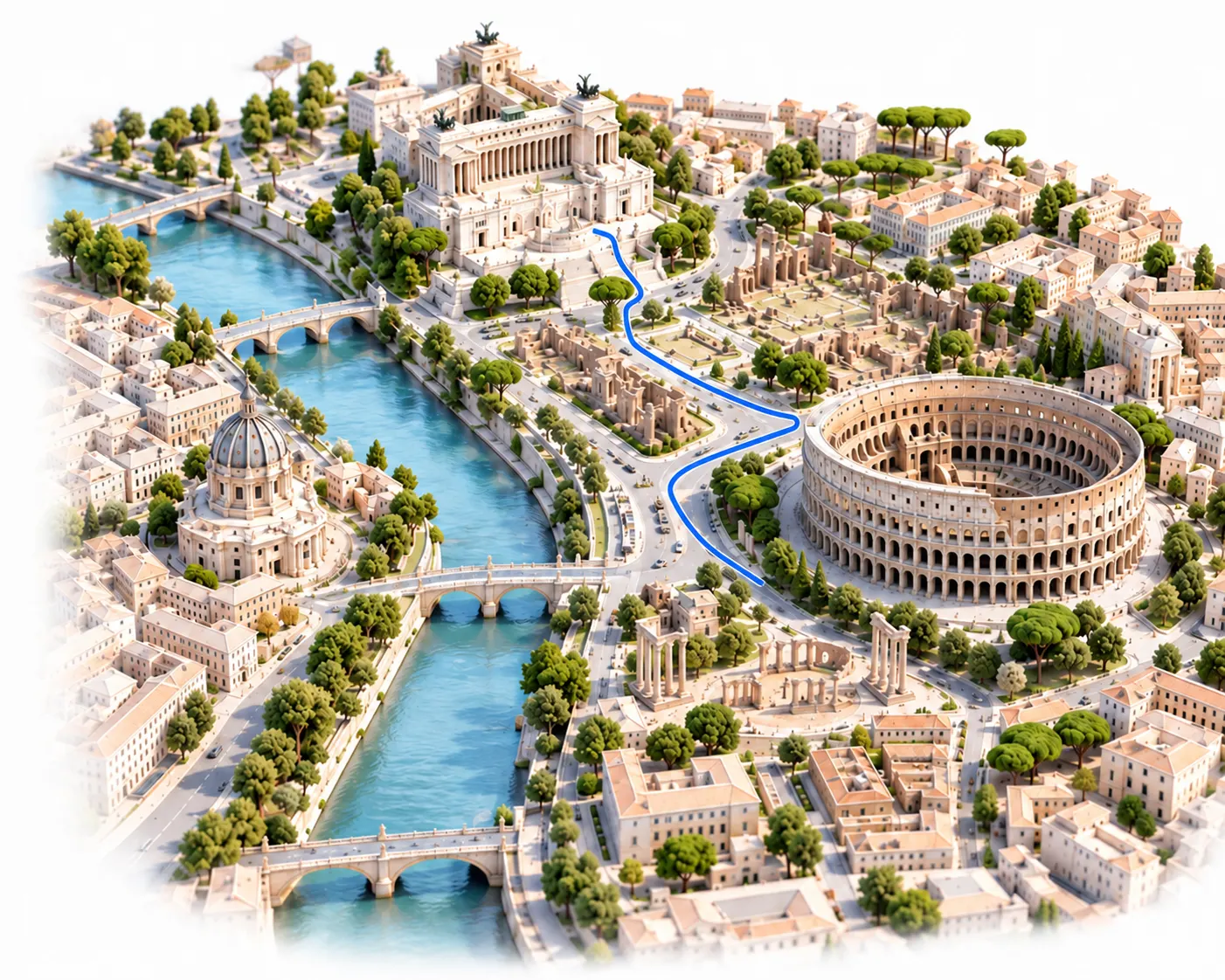

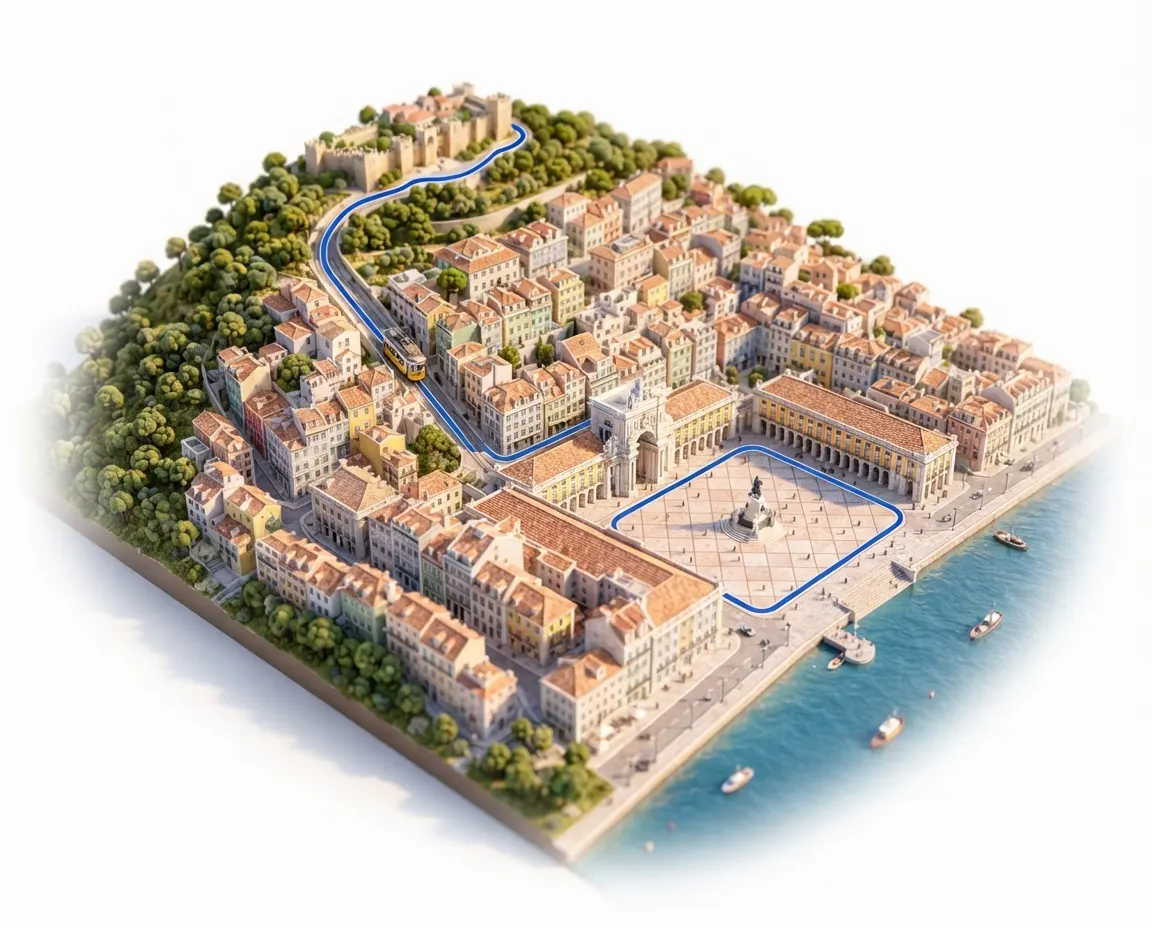



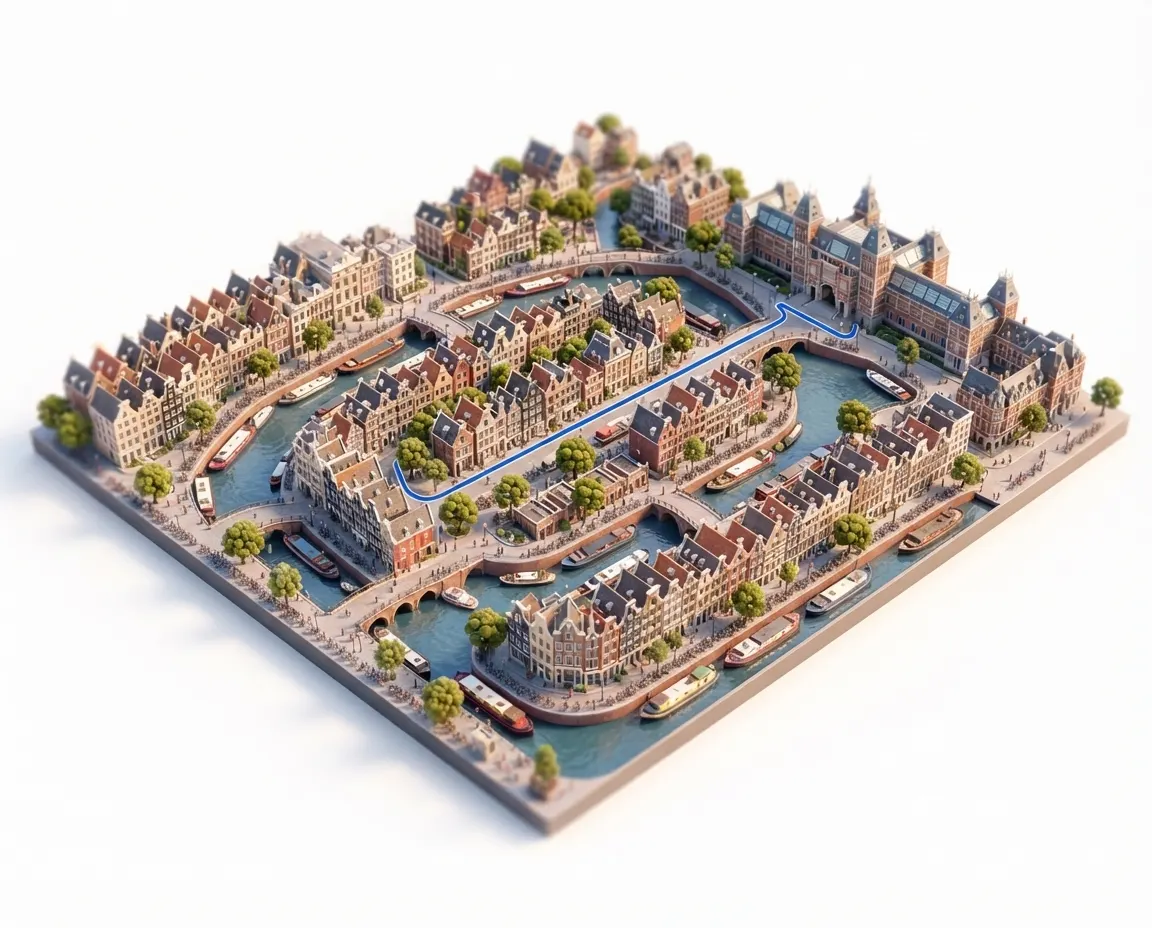

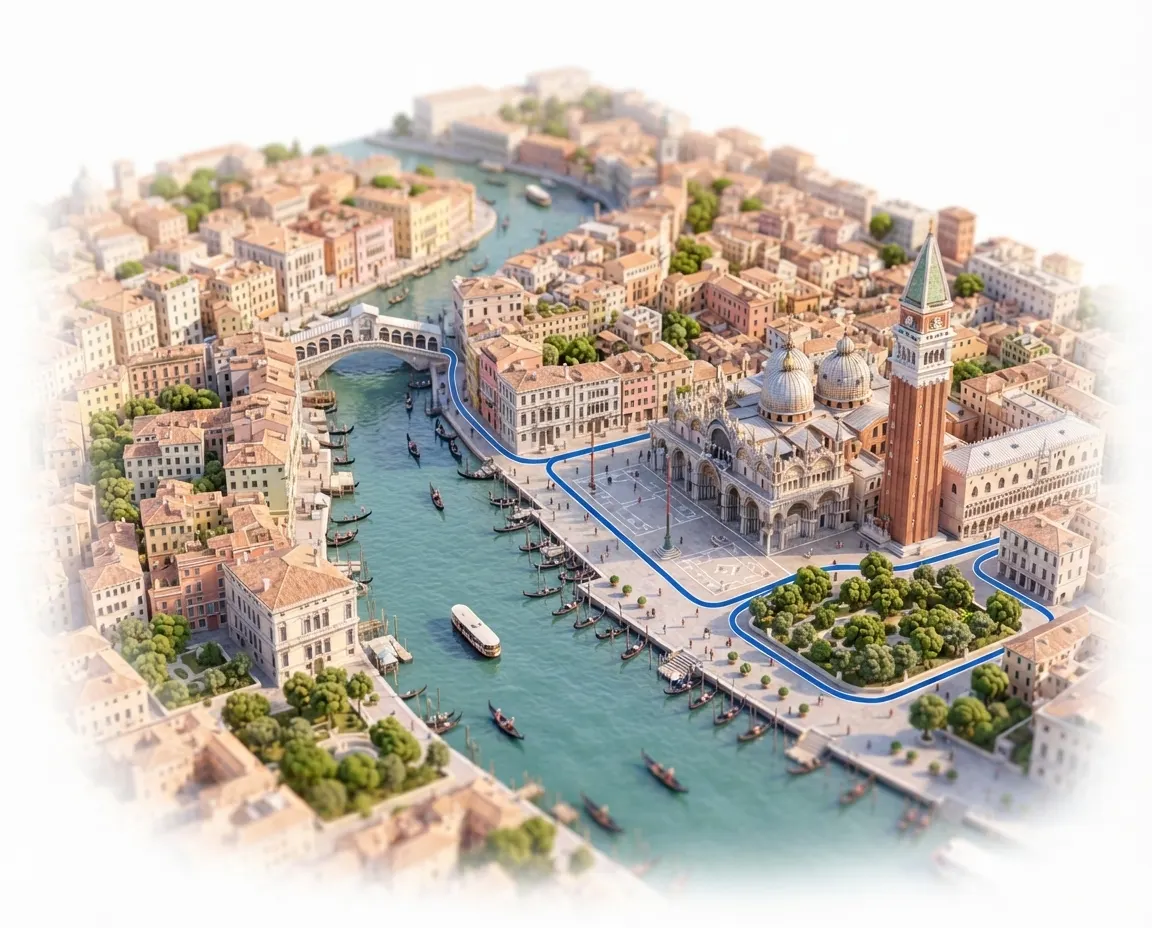

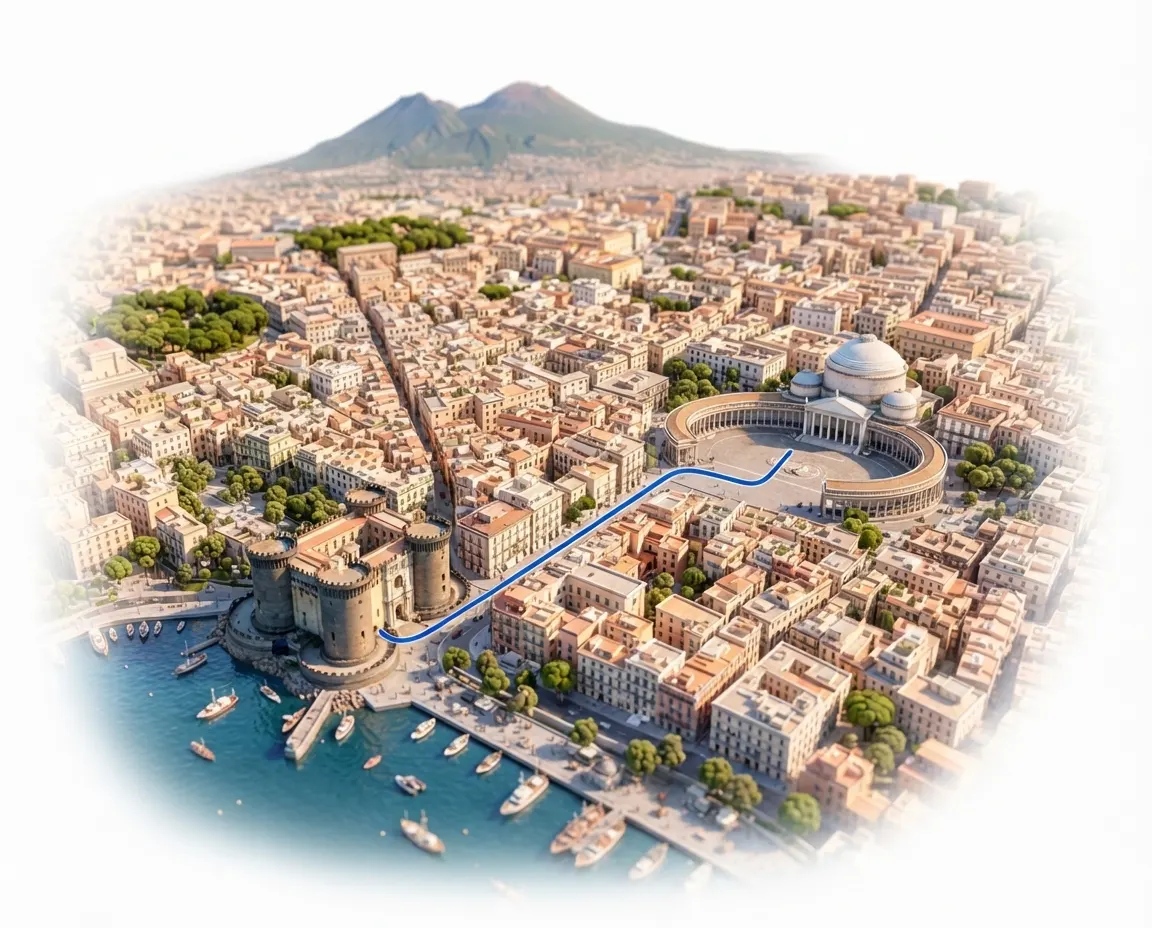
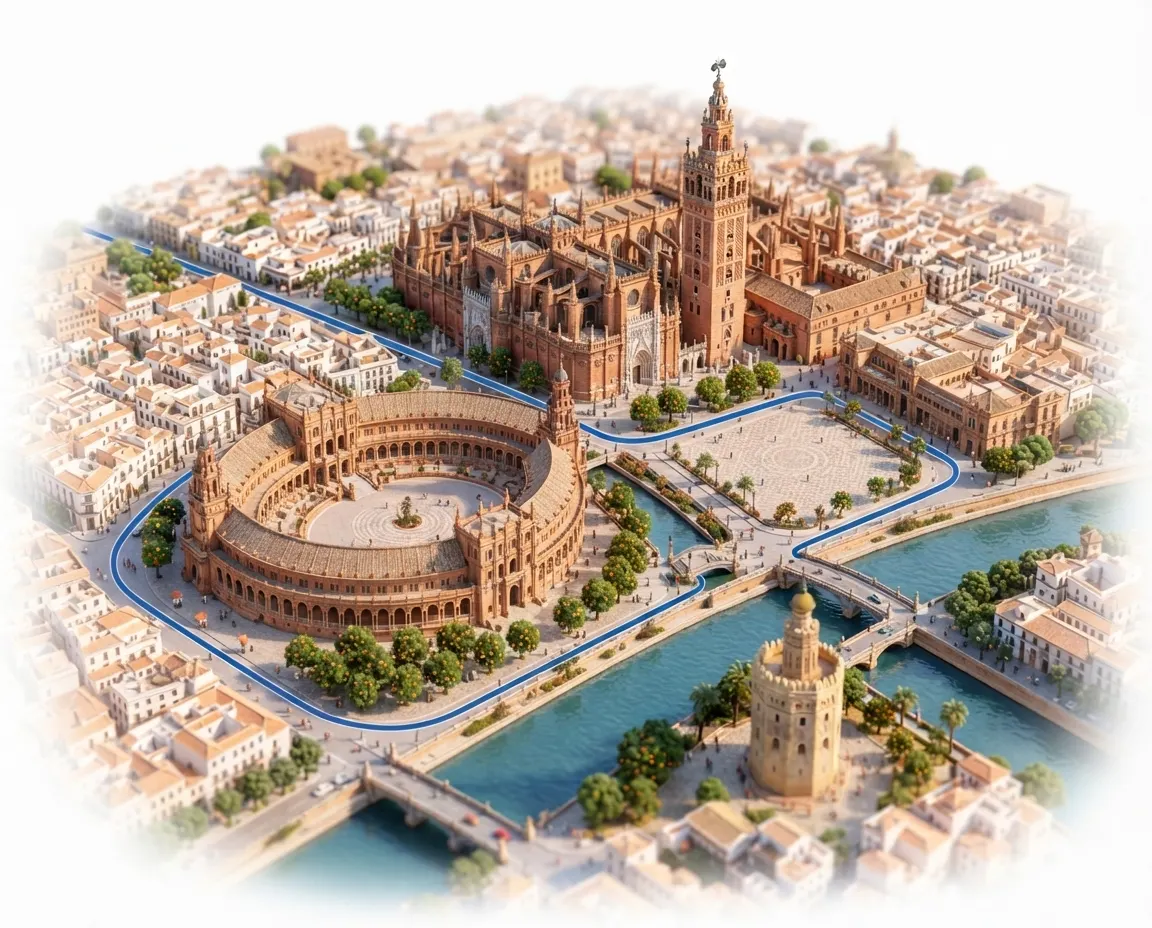
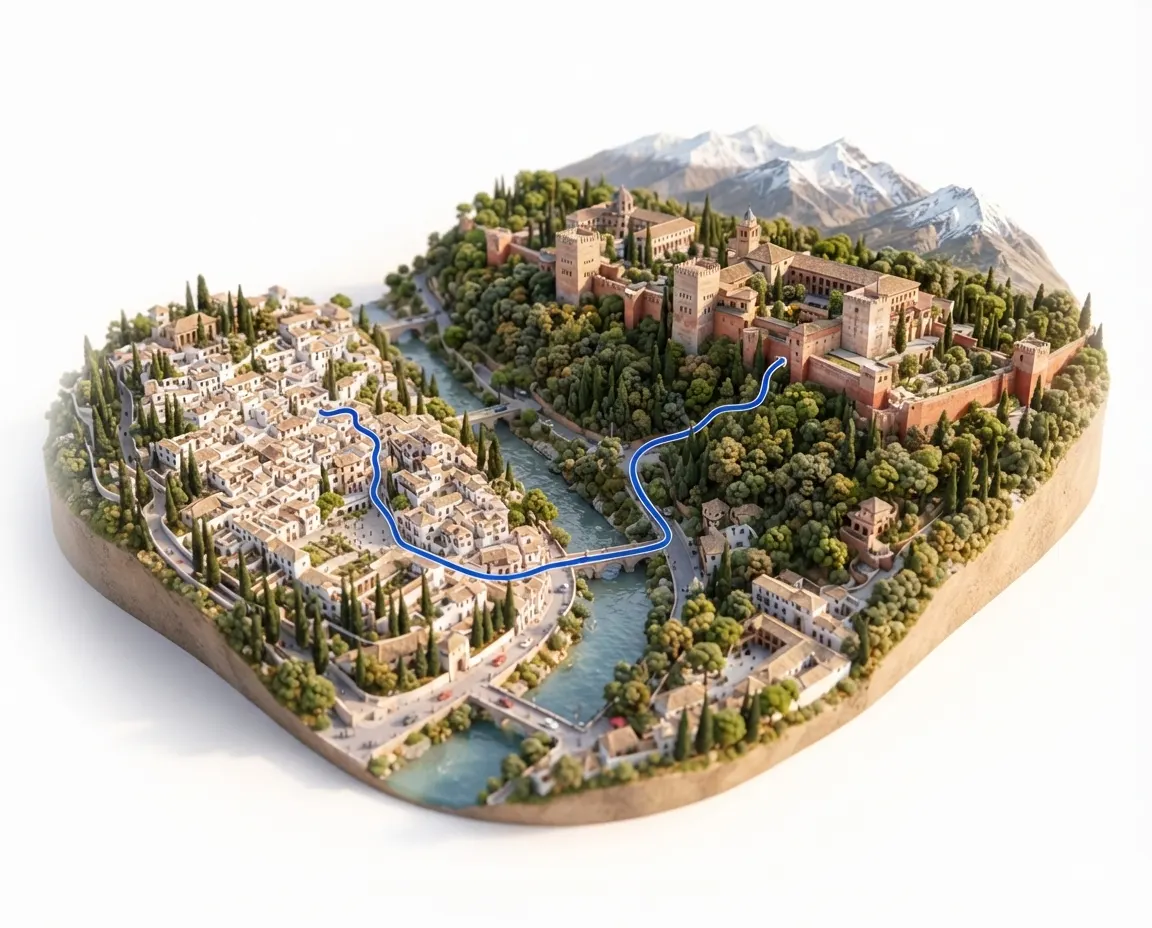

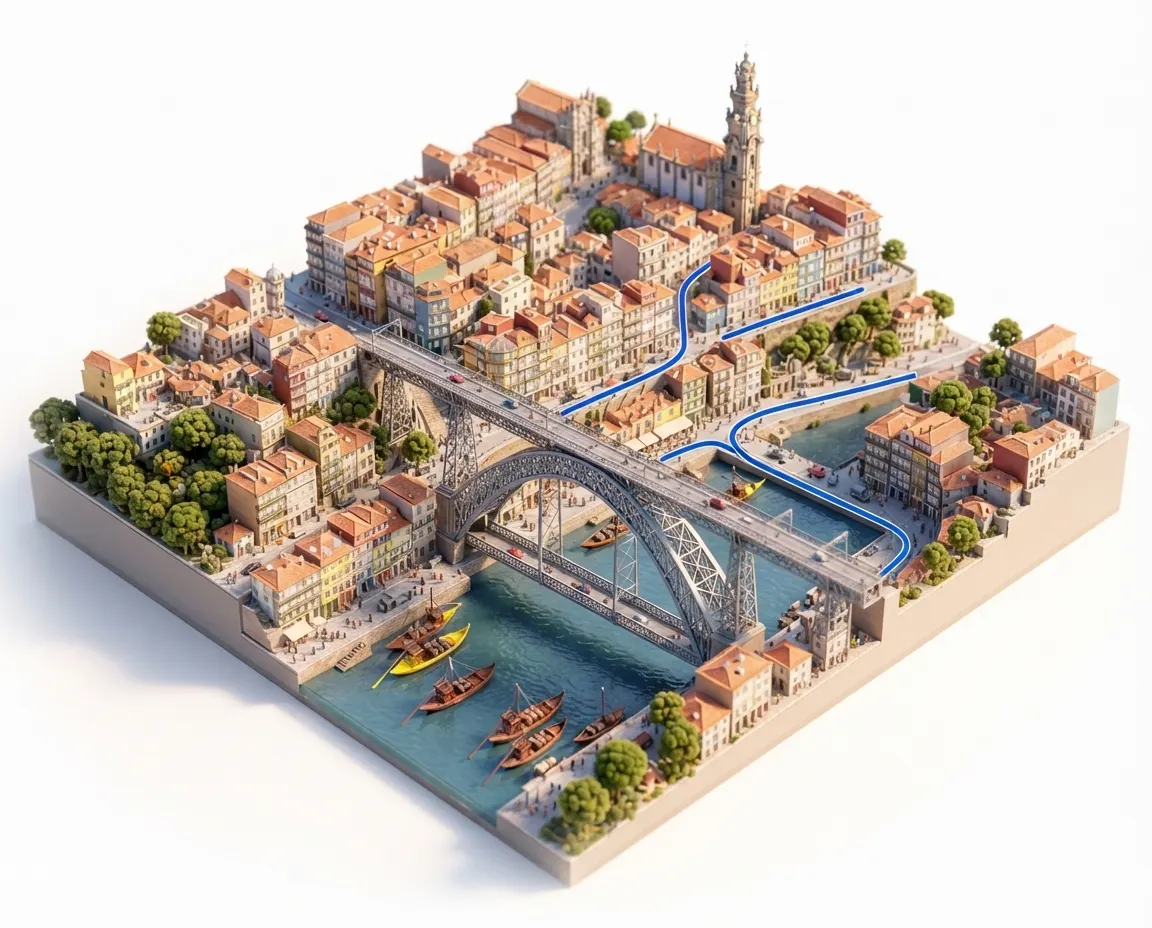

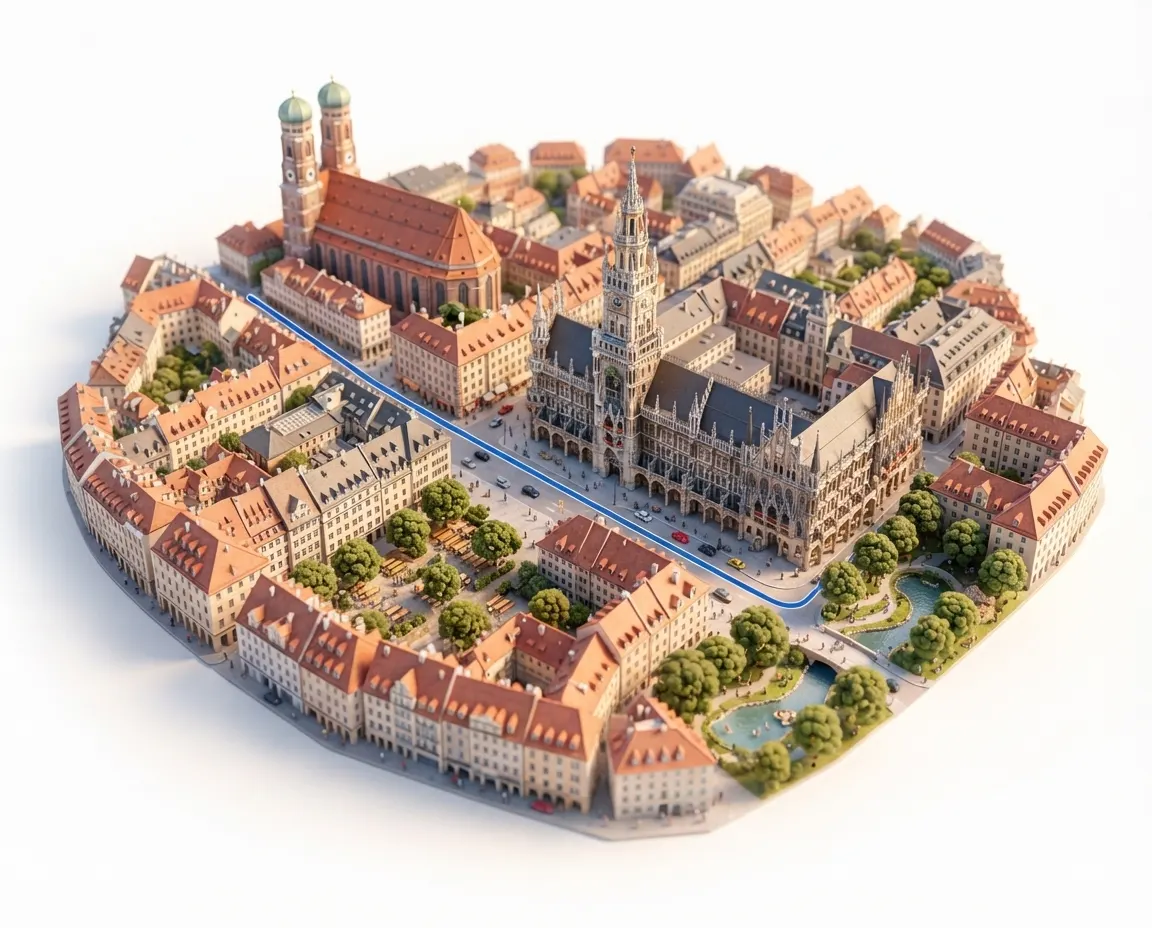

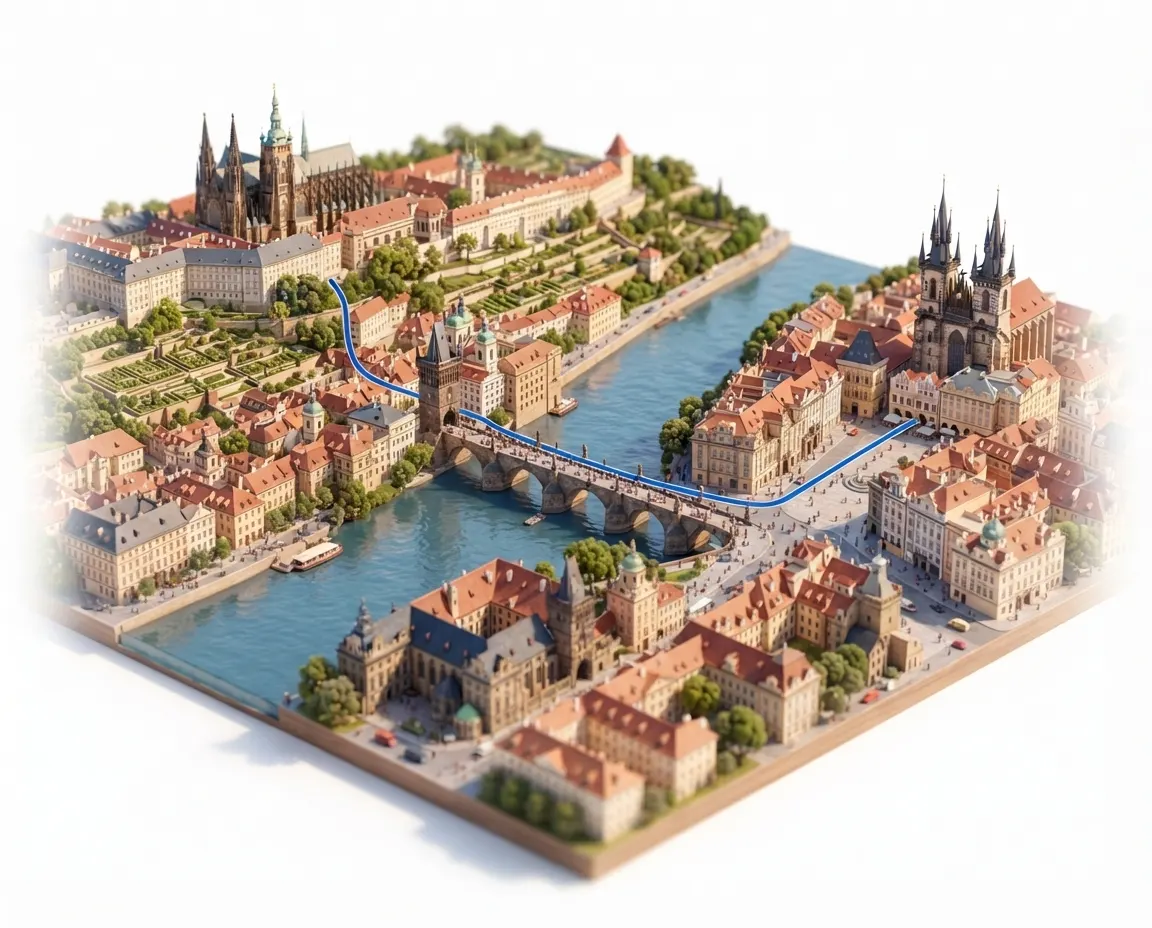

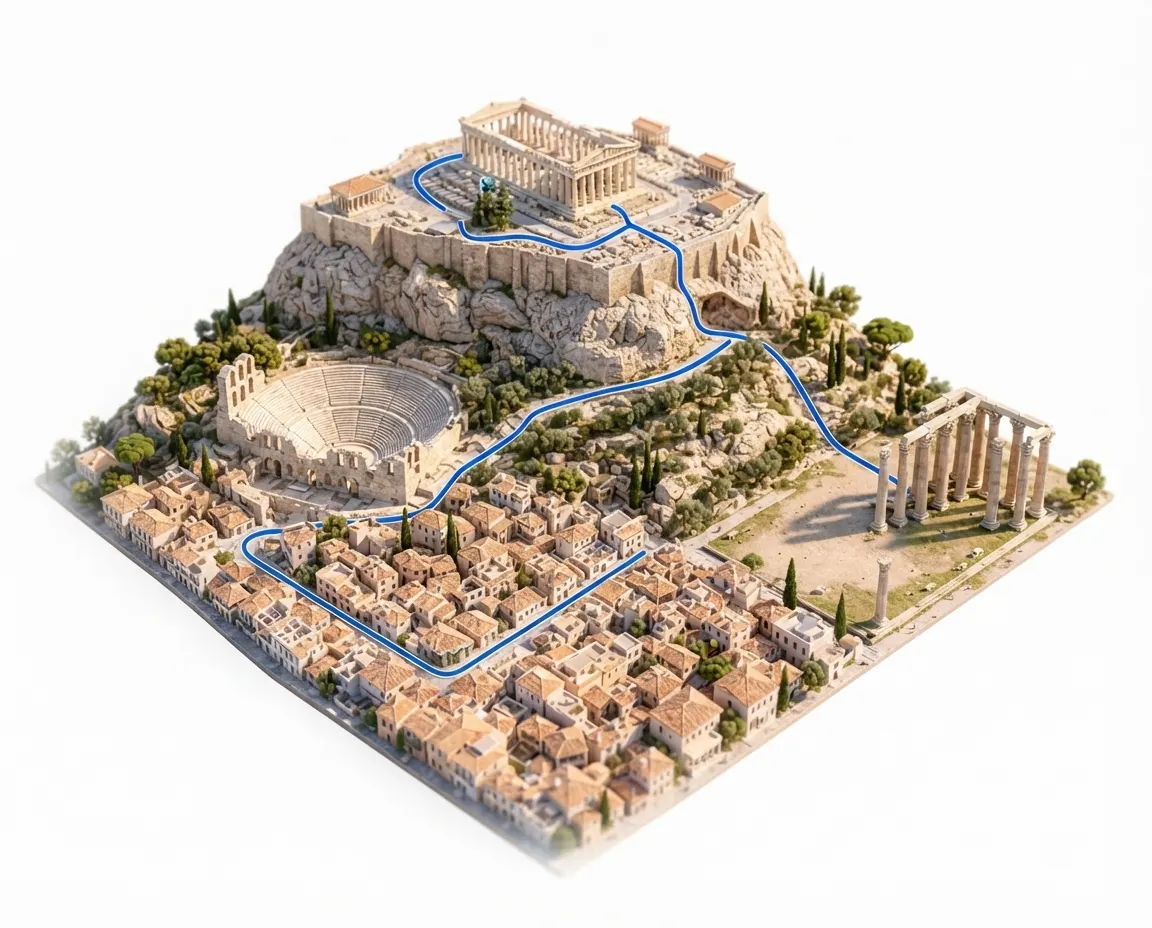

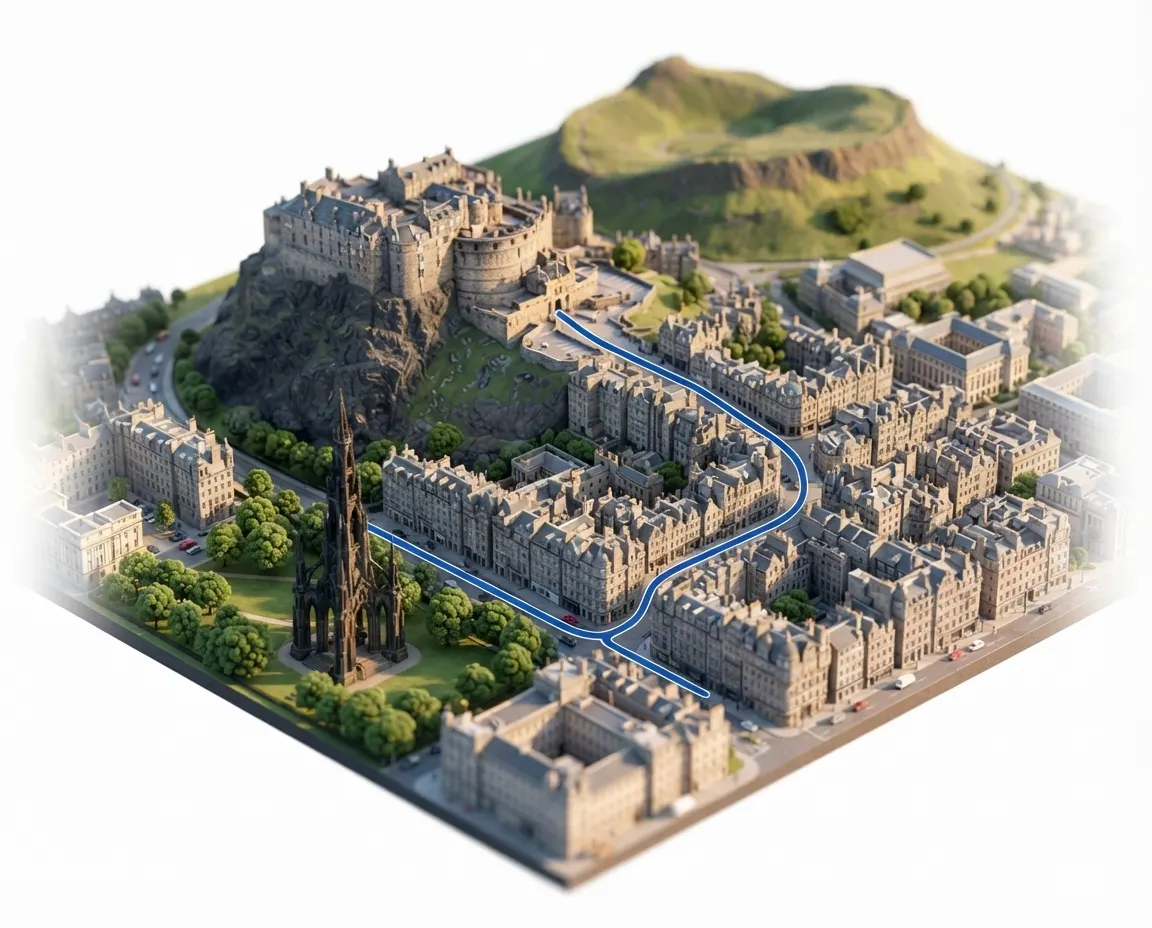
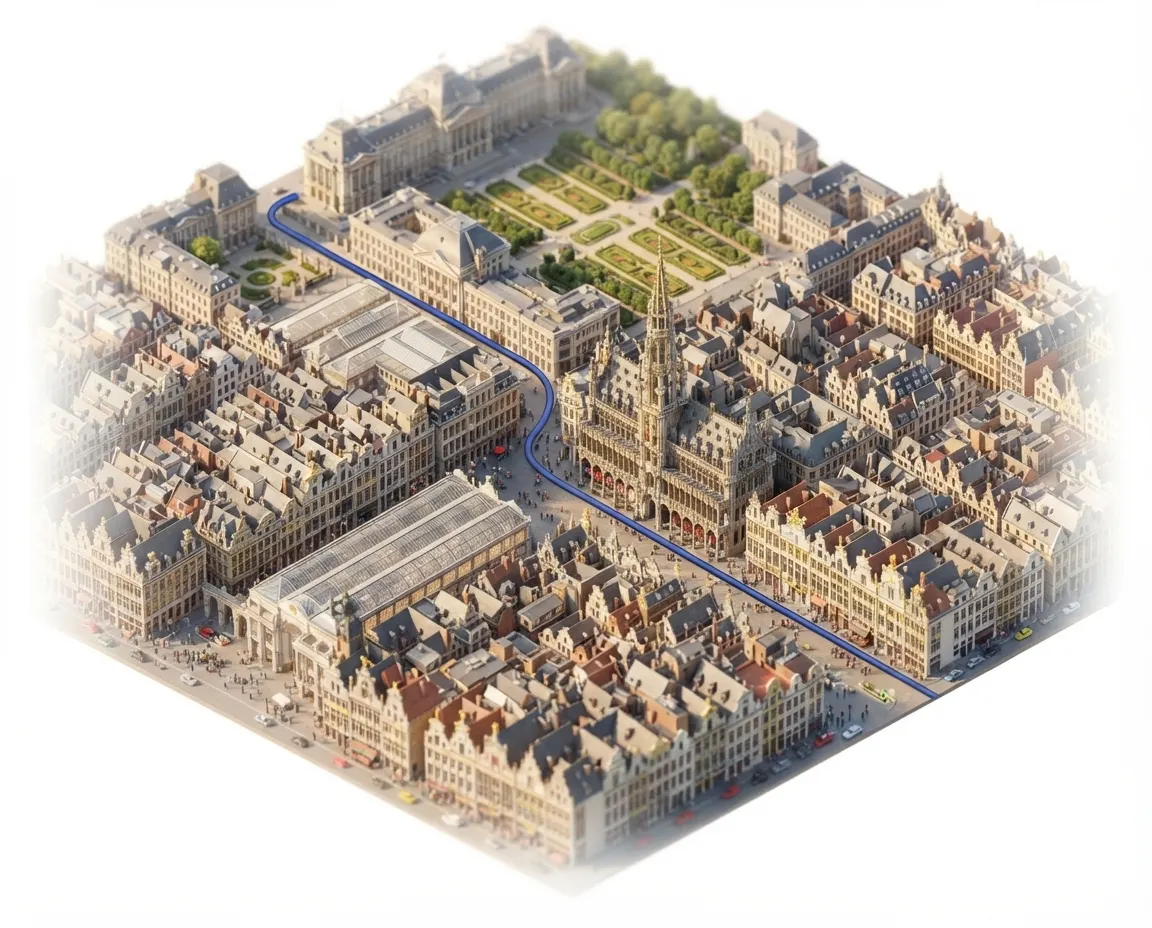
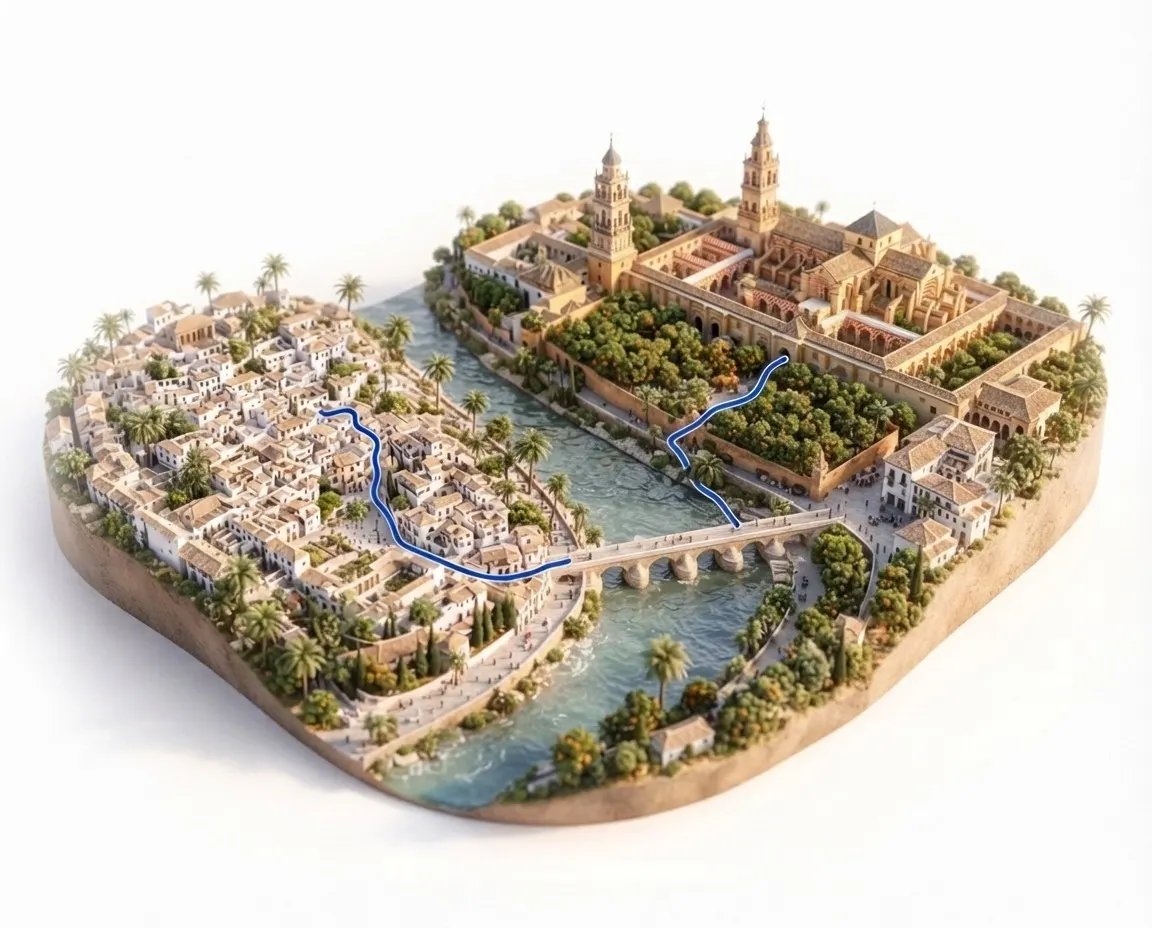


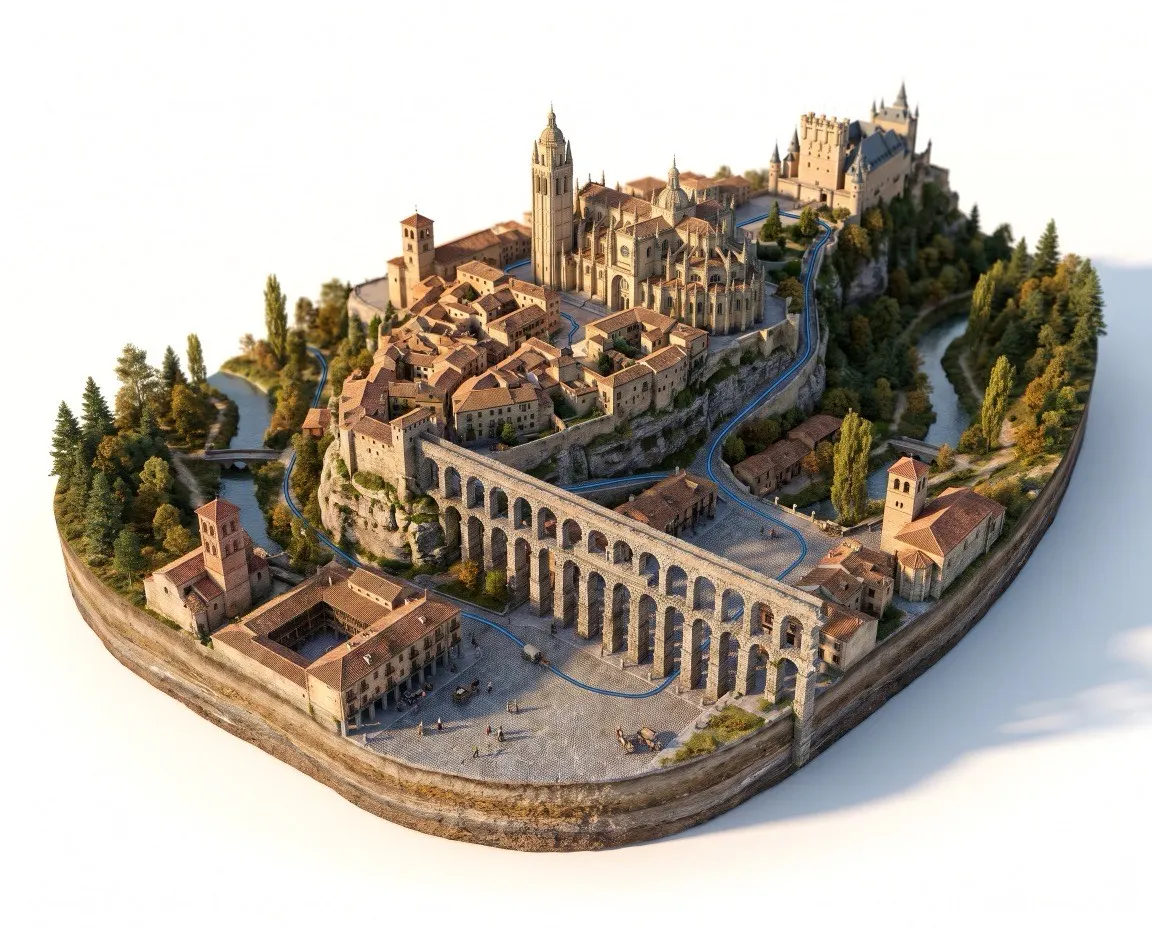



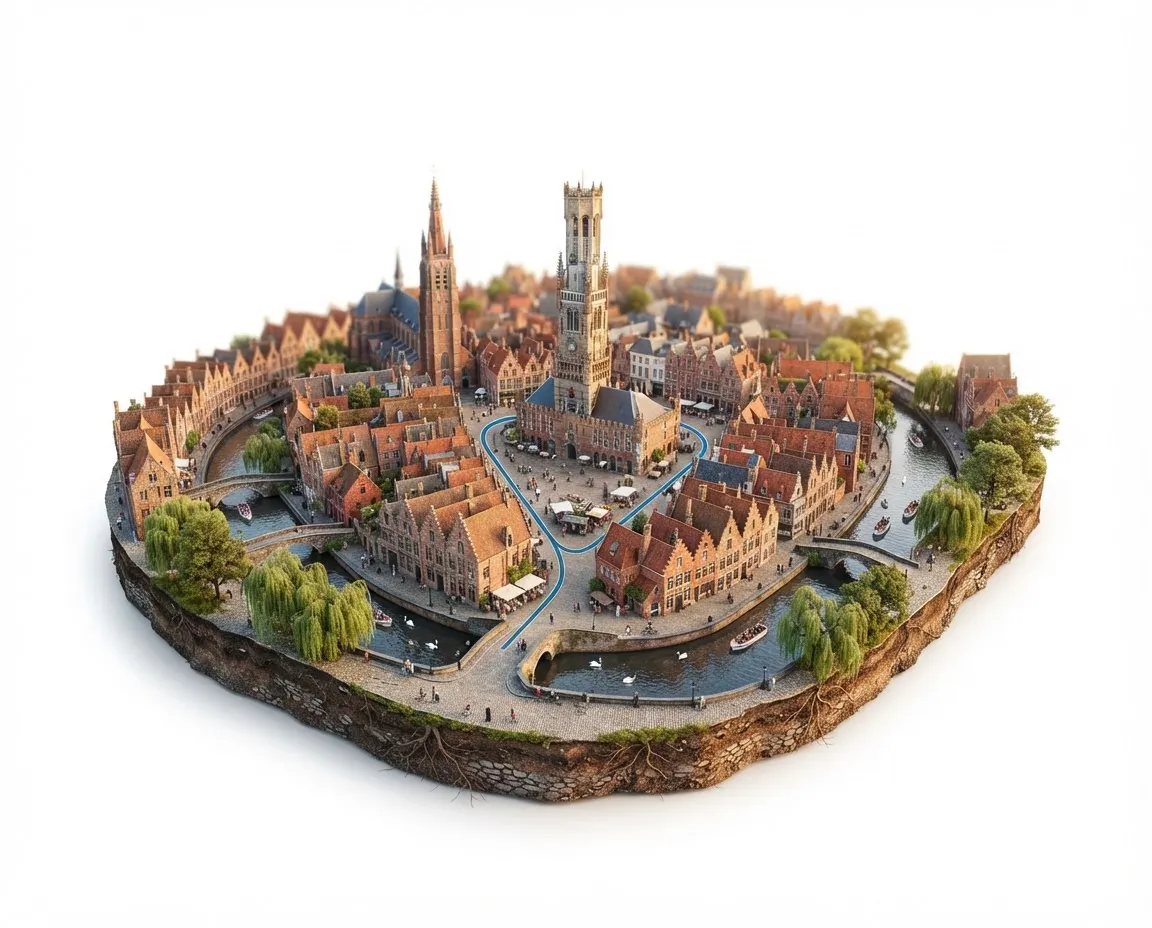
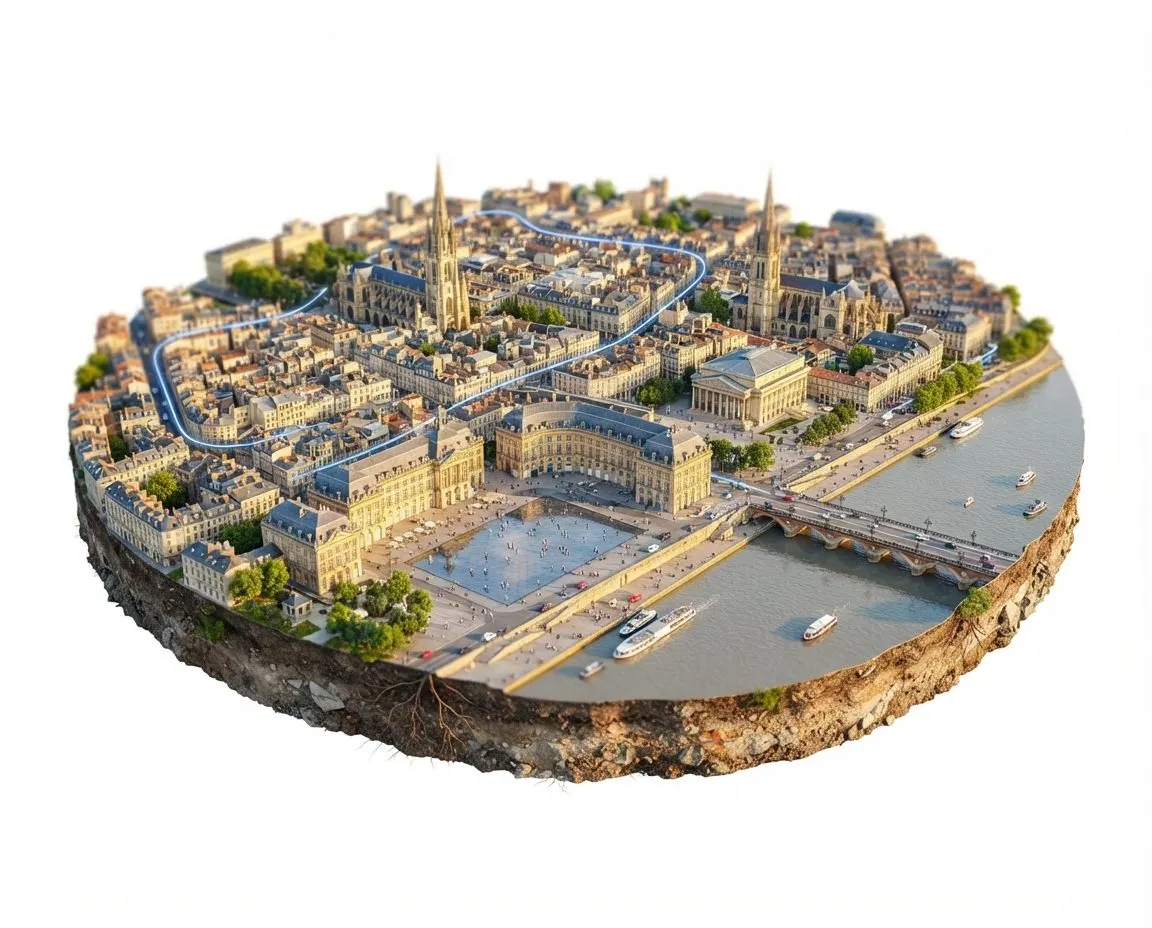
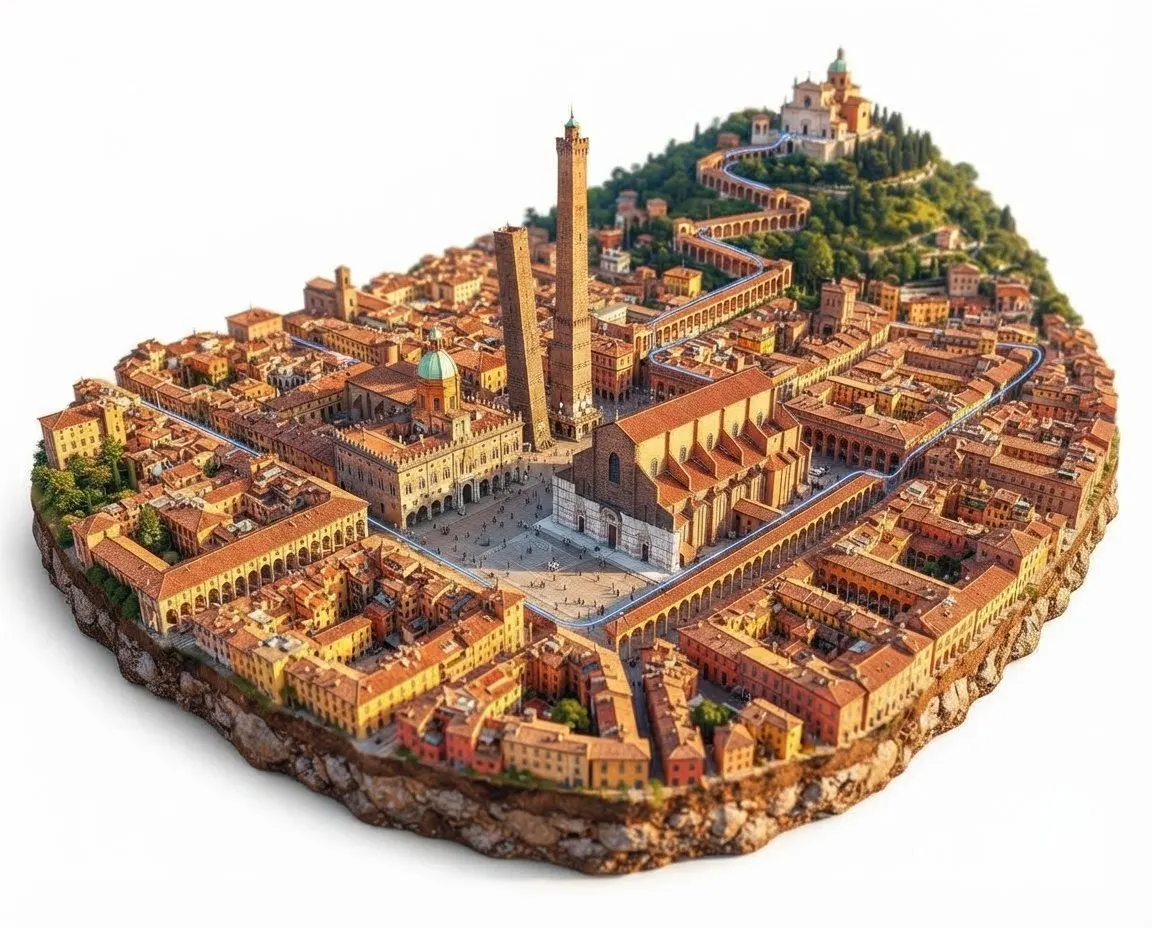
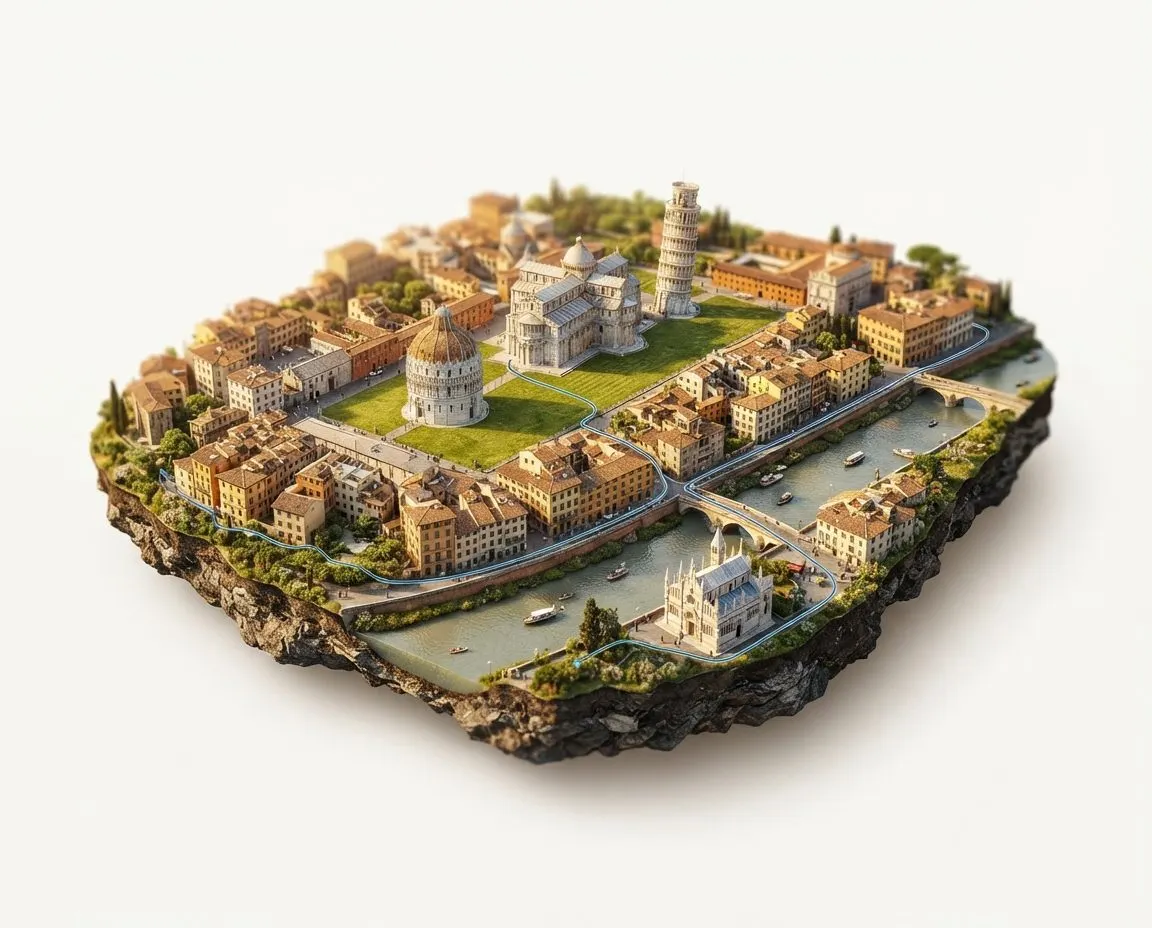

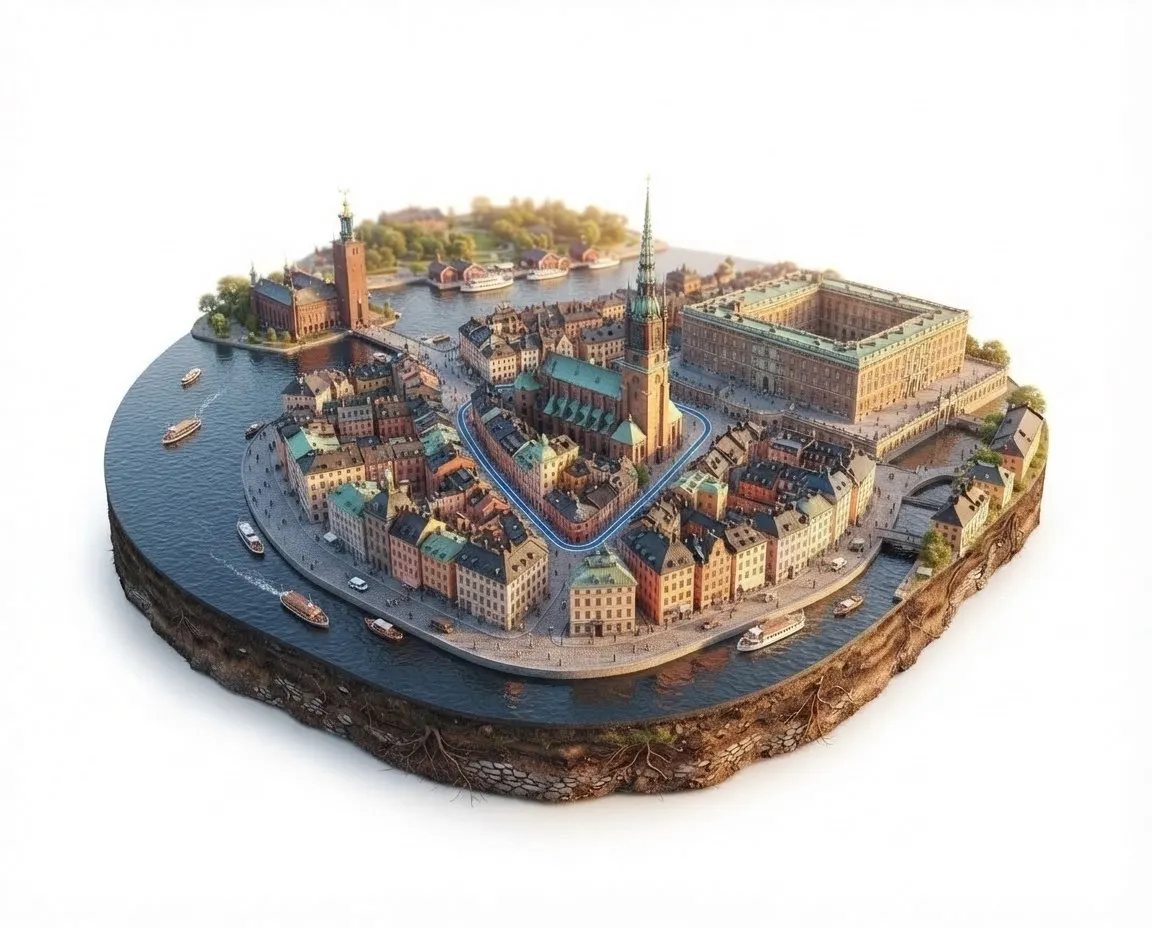

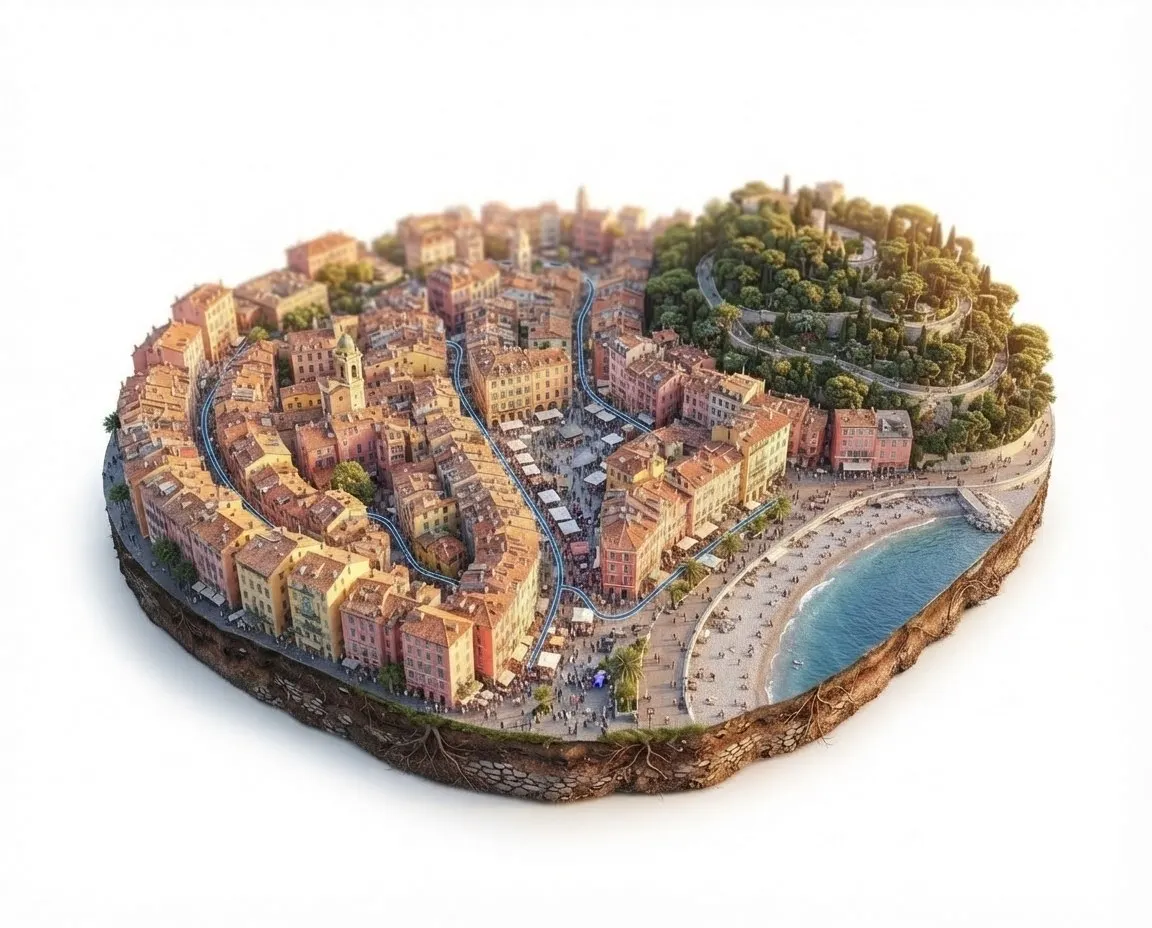
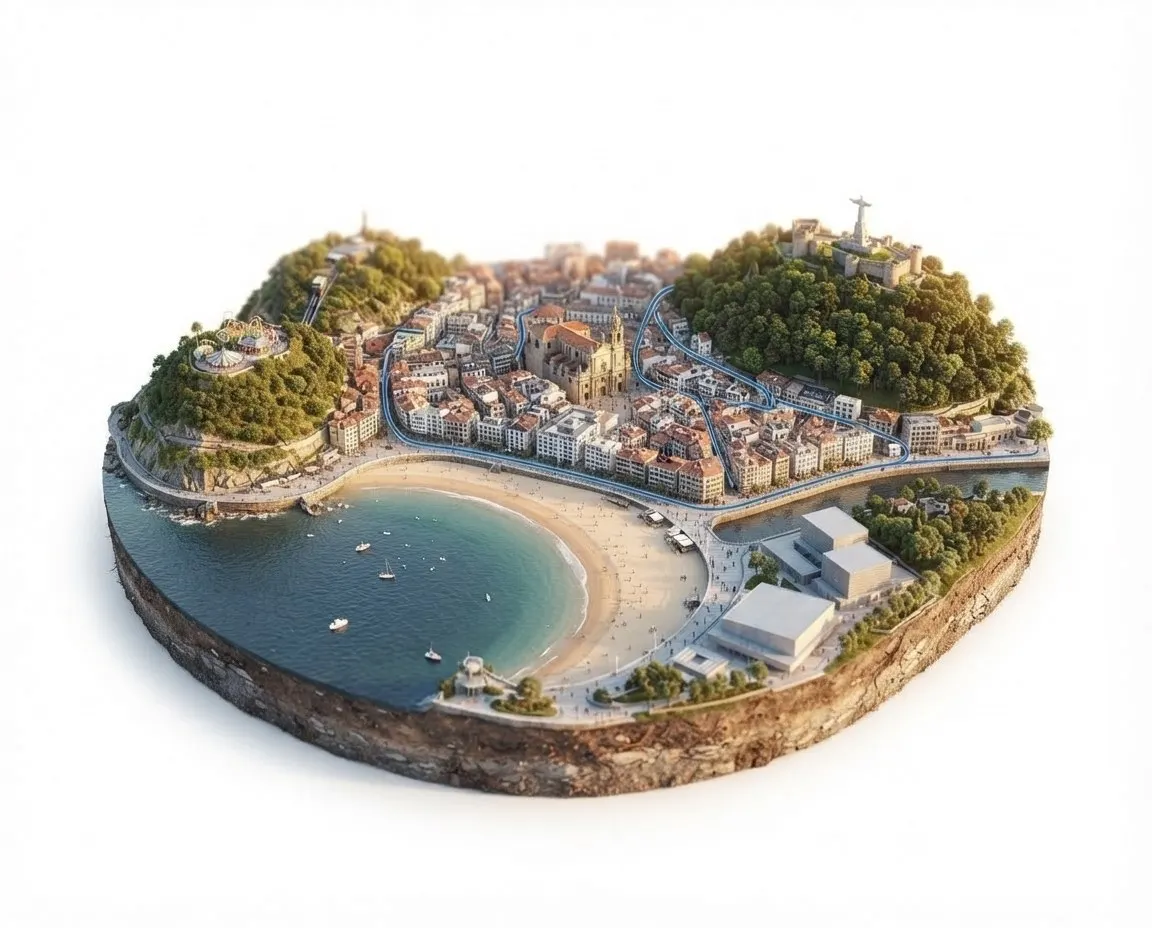



Tell us the day you arrive. A museum that closes on Mondays moves to another day.
Visit time, queue and the walk between stops are counted, so the day fits in a day.
You see which tickets sell out and need buying in advance, and which doors you can just walk up to.
Opening days, hours, last entry, ticket price and booking rule, read on the official site and dated.
Stops that are close go on the same day, in the order that cuts walking, with lunch in the middle.
Choose the pace and the day you arrive. Stops closed that weekday move, and the times are counted again.
Each city has its own base of stops, with opening hours, visit time, ticket price and booking rules, and a practical guide around it.
Around the itineraries, every city has the practical pages you would otherwise piece together from ten tabs.
Timed, with the walk between stops and a route you can open in Google Maps.
The count, from the visit time of the main stops.
The tickets that sell out, and the doors you can walk up to.
Month by month: temperature, rainy days, crowds and what to wear.
A full day under a roof, built from the same stop base.
Ticket prices from the official sites, plus food and transport.
The dishes of the place and what a meal usually costs.
Hours by weekday, price, how to get there and what is nearby.
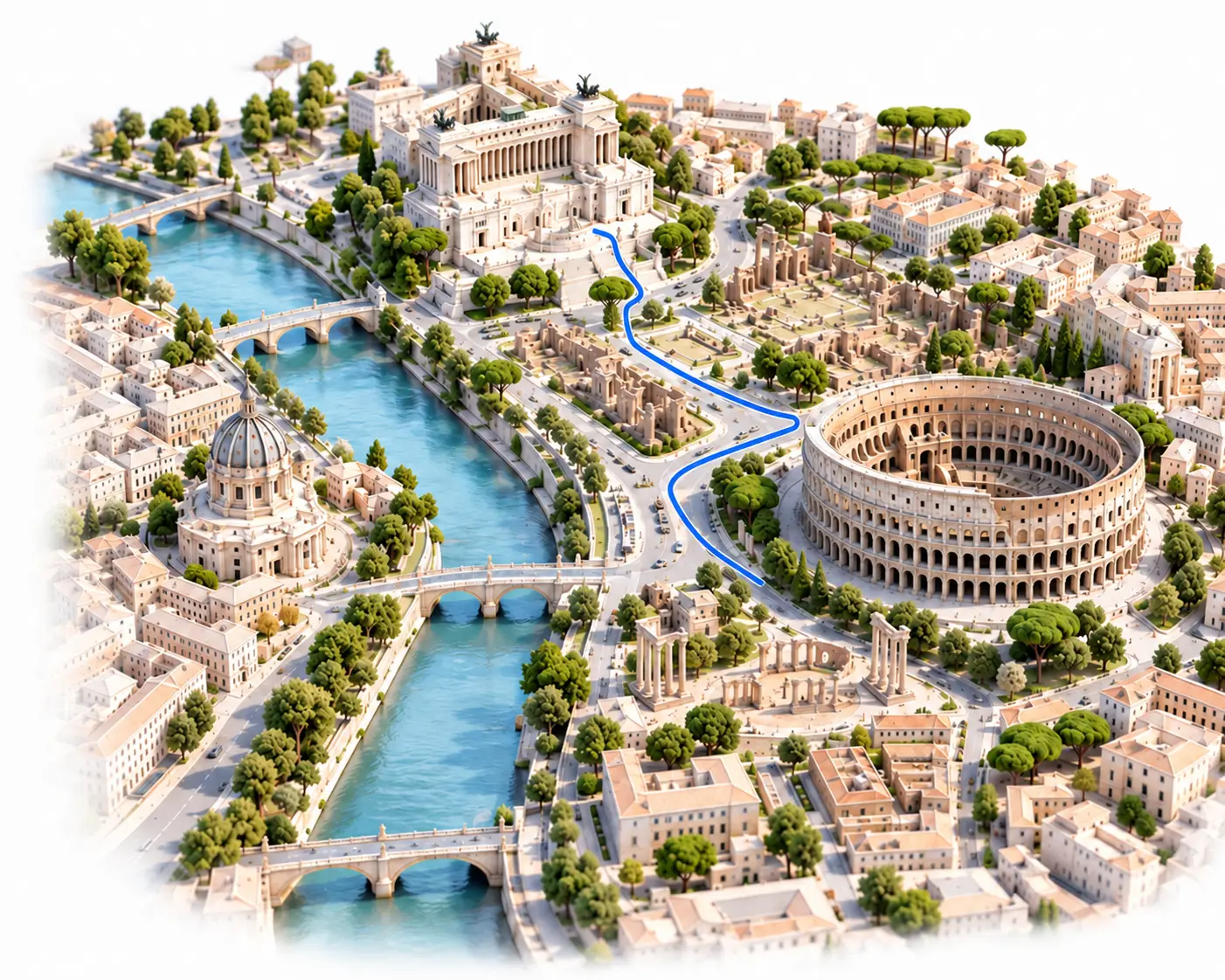
Day 1 of the 2-day plan for Rome, at a balanced pace.
The itinerary is assembled from these fields. Nobody types it by hand, so when a museum changes its hours the plan changes with it.
A real record from the Rome base
Colosseum
We add up the visit time of the main stops and the walks between them, then see how many days that takes at a normal pace.
Yes. There is no account and nothing to pay. You open a page and read the plan.
From the official site of each attraction, or from the city's tourism office when the attraction has no page. Every stop shows the source and the date it was read.
You choose 1, 2 or 3 days, one of three paces and the weekday you arrive. The plan is rebuilt on the page, and it tells you what did not fit.
No. They are an estimate from the distance between two points. Each day has a link that opens the route in Google Maps for the real path.