
One day in Madrid
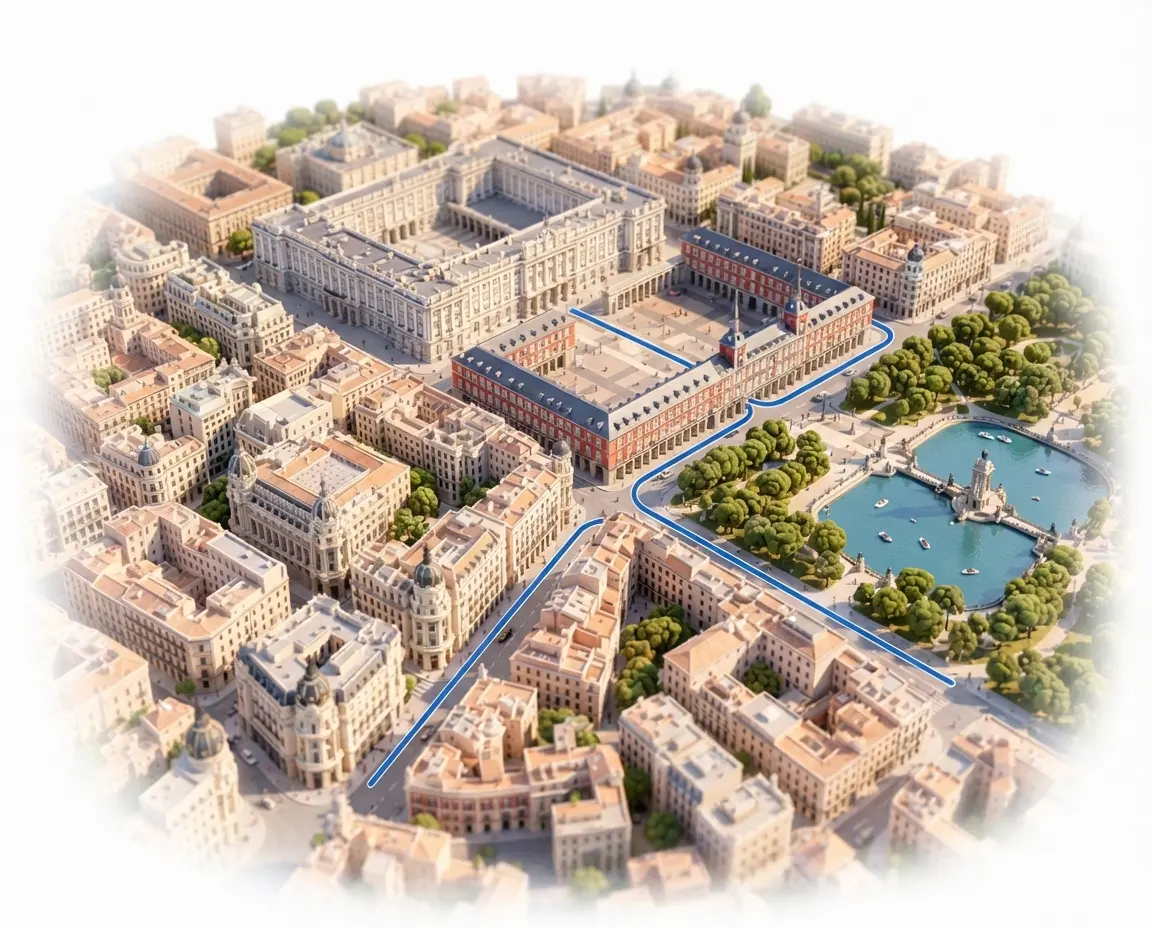
6 stops, about 59 min of walking in total.
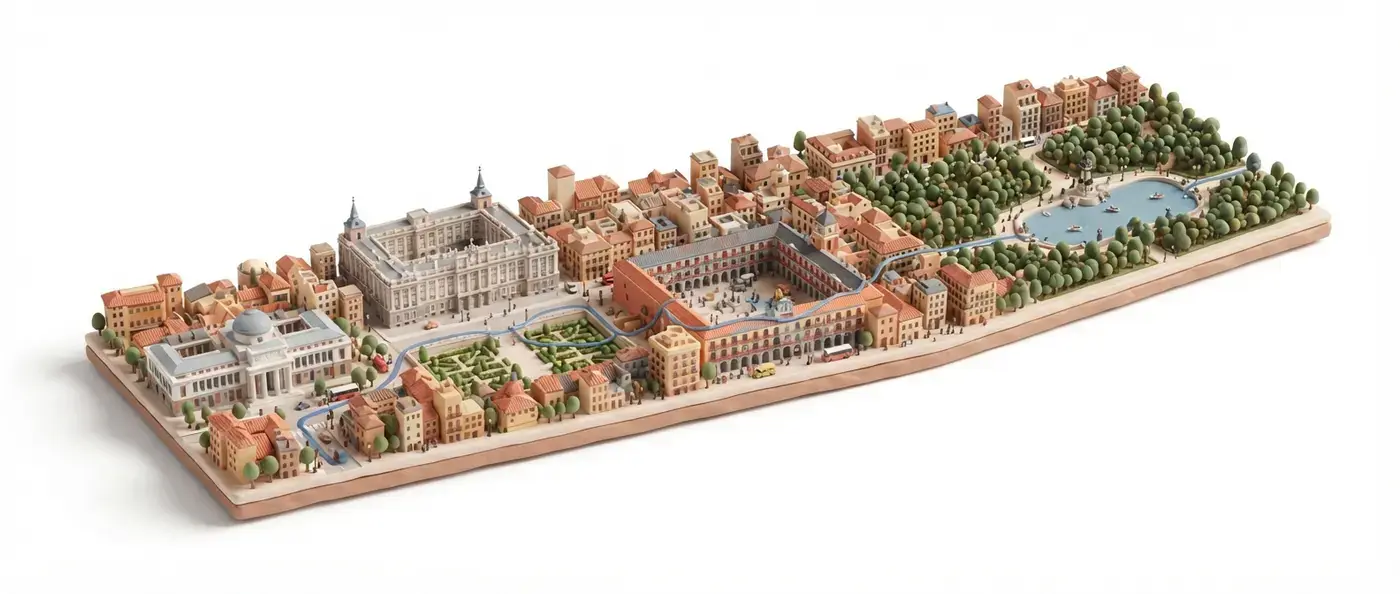
- Day 1: Royal and Habsburg Madrid · Paseo del Arte and RetiroPlaza Mayor → Royal Palace → Prado Museum → Puerta del Sol → Almudena Cathedral → Temple of DebodOpen in Google Maps
Spain
Madrid is a capital where most sights sit within a few kilometres of each other. The art museums line up along the Paseo del Arte, the Royal Palace and the old squares are a short walk west, and Gran Vía and Malasaña lie to the north. The metro covers anything further out.
Data checked on October 4, 2026
Free walking tour
A guided walk gives you the layout of Madrid before you go off on your own. You book a place for free and tip the guide at the end.
See the free tourTickets and tours you book online with a booking partner, each with a photo from the partner.
Partner link, opens in a new tab.
Each plan is built from the stop base, with visit time, the walk between stops and a lunch break. Open one and set your pace and arrival day.
6 stops, about 59 min of walking in total.
9 stops, about 1 h 51 of walking in total.
13 stops, about 2 h 45 of walking in total.
March, April, May and October are the best months: highs run from 16 to 23 degrees. October has the most rain days of the four, but the showers are usually short. June, July and August bring highs near 30 degrees or more, the biggest summer crowds and afternoons that are hard to spend outdoors, and some local restaurants close for holidays in August.
Climate averages: Agencia Estatal de Meteorología, period 1991 to 2020.
9 to 19 °C · about 6 rainy days a month
March is still cool, with highs around 16 degrees, and by May it reaches 23. Terraces fill up, the parks turn green and rain comes on six or seven days a month in April and May.
What to wear: Pack layers: a light jacket for mornings and evenings and a small umbrella.
18 to 31 °C · about 2 rainy days a month
Highs average 29 degrees in June and about 33 in July and August, with almost no rain and nights near 19. The city runs on a late schedule: quiet at midday, busy after 21:00.
What to wear: Wear light, loose clothes, a hat, sunglasses and sunscreen, and shoes that cope with hot pavement.
11 to 20 °C · about 6 rainy days a month
September is still warm at 26 degrees, then the city cools fast: about 20 in October and 13 or 14 in November. October and November are among the wettest months by number of rain days, and evenings turn cold.
What to wear: Bring a jacket and an umbrella, and add a scarf and a warmer layer for November.
3 to 11 °C · about 6 rainy days a month
From December to February highs stay near 10 degrees and lows near 3, so mornings are cold and frost is possible. Most days are dry and bright, and snow is rare.
What to wear: Wear a coat, scarf and gloves in the morning, with layers that come off when the midday sun warms the streets.
Madrid has few rain days: five to seven a month from October to May, and one or two in July and August. On a wet day, spend it indoors. The Prado, the Thyssen and the Reina Sofía are close enough to link with an umbrella, and the Royal Palace, Almudena Cathedral and San Miguel Market are all under cover. Keep the Retiro, Gran Vía and the squares for the dry hours.
Stops under a roof
From June to September the afternoons are hot and the squares have little shade. Do the outdoor sights before 11:00 and after 18:00, and use the middle of the day for a museum, where the air is cool. Carry water, and use the tree-lined paths of the Retiro when you need shade.
Better outdoors
Per person, without the hotel. Tickets are the prices of the stops in each plan, read on the official sites. Food and transport come from the city figures.
| Plan | Tickets | Transport | Food | Total |
|---|---|---|---|---|
| 1 day | €18 | €10.30 | €35 to €51 | €63 to €80 |
| 2 days | €30 | €20.60 | €69 to €103 | €120 to €154 |
| 3 days | €44 | €30.90 | €104 to €154 | €179 to €229 |
Stops with a ticket whose price we could not confirm are left out of the sum.
A chickpea stew served in stages: the broth first, then the chickpeas, vegetables and meat. It is a heavy lunch, eaten mostly from autumn to spring.
Fried squid rings in a crusty roll, a plain and cheap snack that people eat standing near Plaza Mayor.
Fried eggs broken over fried potatoes, often with ham or chorizo. People share a plate as a starter.
A thick potato omelette cut in wedges and served at the bar, warm or at room temperature, often with bread.
Fried dough sticks dipped in thick hot chocolate. Madrileños have them for breakfast or after a night out.
Sweet red vermouth served over ice with an orange slice and an olive. It is the weekend drink before lunch, especially in La Latina.
Small venues in the centre stage flamenco in the evening, with seating close to the stage. Book ahead for the better seats and expect a show of about an hour.
A riverside park along the Manzanares, built over a former ring road, with cycle paths, playgrounds and the Matadero arts centre. It is flat and good for a slow afternoon.
A cable car leaves from near Paseo del Pintor Rosales and crosses the park, with a view of the palace and the city skyline behind it.
High-speed trains reach Segovia in about 30 minutes. The town has a Roman aqueduct, a cathedral and an alcázar, and it is a calmer day trip than Toledo.
A walled 18th-century garden beside the Prado, with greenhouses and shaded paths. It is a quiet break between museums.
From Barajas airport, metro line 8 runs from the terminals to Nuevos Ministerios in about 15 minutes, where you change to line 6 or 10 for the centre. The Exprés Aeropuerto bus runs day and night to Atocha by way of Cibeles in around 40 minutes. By train, Atocha takes the high-speed services from the south and east, and Chamartín takes those from the north. Both stations have metro links.
The centre is compact: Sol, Plaza Mayor, the palace and the Paseo del Arte are each within a 20 to 30 minute walk of one another. The metro covers everything else, including the Bernabéu, and runs often. You need a rechargeable card, sold at the machines in the stations. The one-day tourist ticket is valid for the calendar day and pays off only if you ride six or more times; with fewer rides, single tickets cost less.
Every stop has its own page with opening days, ticket price, how to get there and where it fits in the itineraries.
Paseo del Arte and Retiro
Spain's national art museum, home to the main collections of Velázquez, Goya and El Greco. It is large, so most visitors choose a route through the highlights instead of trying to see everything.
Booking advisedRoyal and Habsburg Madrid
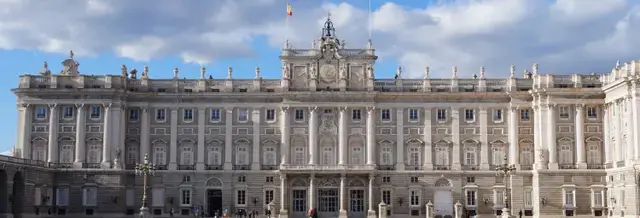
The official residence of the Spanish crown, used today for state ceremonies. The self-guided route goes through the grand staircase, the throne room and a long series of decorated state rooms, and the official site gives about 45 minutes for it.
Booking advisedRoyal and Habsburg Madrid
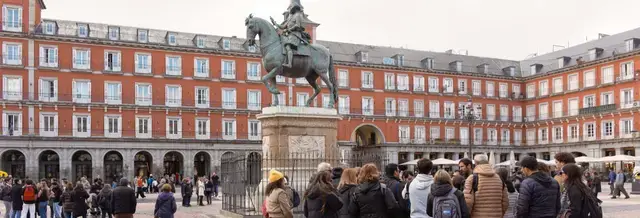
A closed 17th-century square of uniform facades and arcades, with a statue of Philip III in the middle and the Arco de Cuchilleros in one corner. Most visitors cross it between Sol and the palace and stop for a coffee.
Paseo del Arte and Retiro
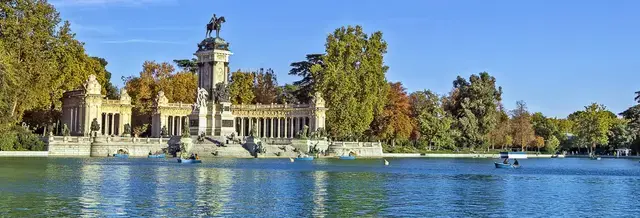
Madrid's central park, with a boating lake, the Alfonso XII monument and long tree-lined avenues. From the Puerta de Alcalá gate to the lake is about 20 minutes on foot. The Crystal Palace is closed for improvement works, but you can still see the installation that covers it.
Paseo del Arte and Retiro
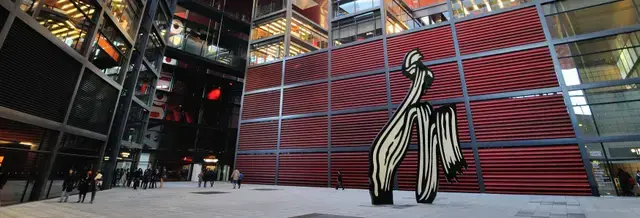
Spain's national museum of 20th-century art, best known for Picasso's Guernica, with works by Dalí and Miró. The collection is in the Sabatini building, and the Nouvel building has the newer entrance and the temporary exhibitions.
Booking advisedPaseo del Arte and Retiro
Sits between the Prado and the Reina Sofía with a collection that runs from early Italian painting to the 20th century, including Impressionists and Expressionists. It is smaller than its neighbours, and the museum suggests about two and a half hours.
Booking advisedRoyal and Habsburg Madrid
The central square of Madrid, where the Kilometre Zero plaque marks the point from which Spain's roads are measured. The bear and strawberry tree statue and the Tío Pepe sign are nearby. It works as a transit hub more than a place to stay.
Royal and Habsburg Madrid
A 1916 iron-and-glass market hall turned into a food hall, with stalls for tapas, seafood, cheese, ham and wine. Visitors graze standing up instead of shopping for groceries.
Royal and Habsburg Madrid
Madrid's cathedral stands across the square from the Royal Palace. It was consecrated in 1993 after more than a century of construction. Entry to the cathedral is free, and a donation of 1 euro is requested.
Gran Vía, Malasaña and Plaza de España
A 1.3 km boulevard of early 20th-century buildings, theatres, cinemas and shops, built between 1910 and 1931. It is a walk where you look up, with no ticket and no fixed visit.
Gran Vía, Malasaña and Plaza de España
An Egyptian temple from the 2nd century BC, given to Spain in 1968 and rebuilt in a park west of the Royal Palace. The park outside is free to enter. The interior visit lasts about 30 minutes.
Book aheadChamartín
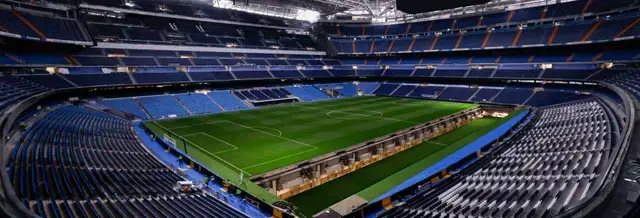
The home of Real Madrid, with a tour of the stadium views, the dressing room and dugouts, and the club museum. It sits in Chamartín to the north, a metro ride from the centre.
Booking advisedGran Vía, Malasaña and Plaza de España
A district north of Gran Vía that carried the 1980s movida scene and still has vintage shops, cafés and bars around Plaza del Dos de Mayo. It suits walking with no fixed target.
Royal and Habsburg Madrid
One of the oldest neighbourhoods in the city, known for the tapas bars along Cava Baja and Cava Alta. On Sundays the El Rastro flea market runs nearby, and the bars fill when it ends in the afternoon.
Paseo del Arte and Retiro
The square where the Cibeles Fountain, built in 1782, faces Cibeles Palace, which houses the city hall, and the Bank of Spain. It marks the start of the Paseo del Arte, the avenue that runs to the Prado.
Wi-Fi in hotels, cafés and airports is shared with other guests. A VPN encrypts the connection between your phone or laptop and the VPN's server, which helps when you check email or your bank on the road.
See NordVPNOne day covers the old centre and one big museum: the Royal Palace, Plaza Mayor and Sol, plus either the Prado or the Reina Sofía. You will skip the rest. A day with two large museums gets tiring.
The Prado, Reina Sofía and Thyssen are within walking distance along the Paseo del Arte. Doing all three well takes about a day and a half, and one museum per half day is more comfortable. The Reina Sofía is closed on Tuesday, and the Thyssen opens only from 12:00 to 16:00 on Monday.
Booking online saves you a ticket-office queue at the Prado, the Royal Palace, the Reina Sofía, the Thyssen and the Bernabéu tour. The inside of the Temple of Debod needs a free reservation, and slots open on the 15th of the previous month.
If you have a spare day, yes. Toledo is a walled hilltop city with a cathedral and old synagogues, and the Civitatis day trip we link to takes about eight hours. It is better after you have seen the main sights in Madrid.